Reggio Inspired
One Hundred Languages

The child
is made of one hundred.
The child has
a hundred languages
a hundred hands
a hundred thoughts
a hundred ways of thinking
of playing, of speaking.
A hundred always a hundred
ways of listening
of marveling, of loving
a hundred joys
for singing and understanding
a hundred worlds
to discover
a hundred worlds
to invent
a hundred worlds
to dream....
.--Loris Malaguzzi, Founder of the Reggio Emilia Schools
Reggio Emilia Approach
The Reggio Emilia approach to early childhood education began in post–World War II Italy through the work of parents and educator Loris Malaguzzi. Today, Reggio-inspired schools are known around the world for their innovative, child-centered approach to learning.
At Preucil Preschool, Reggio Emilia principles inspire the way we see children, design our classrooms, and approach teaching and learning.
Seeing Children as Capable and Curious
We see children as competent, capable learners with enormous potential. Children are active participants in constructing knowledge as they explore their environment, develop relationships, ask questions, and make sense of the world around them.
Teachers as Partners in Learning
Our teachers are collaborators and guides rather than simply providers of information. They observe, listen, ask questions, and explore alongside children. Teachers and children learn from one another as they investigate ideas and solve problems together.
The Environment as a Teacher
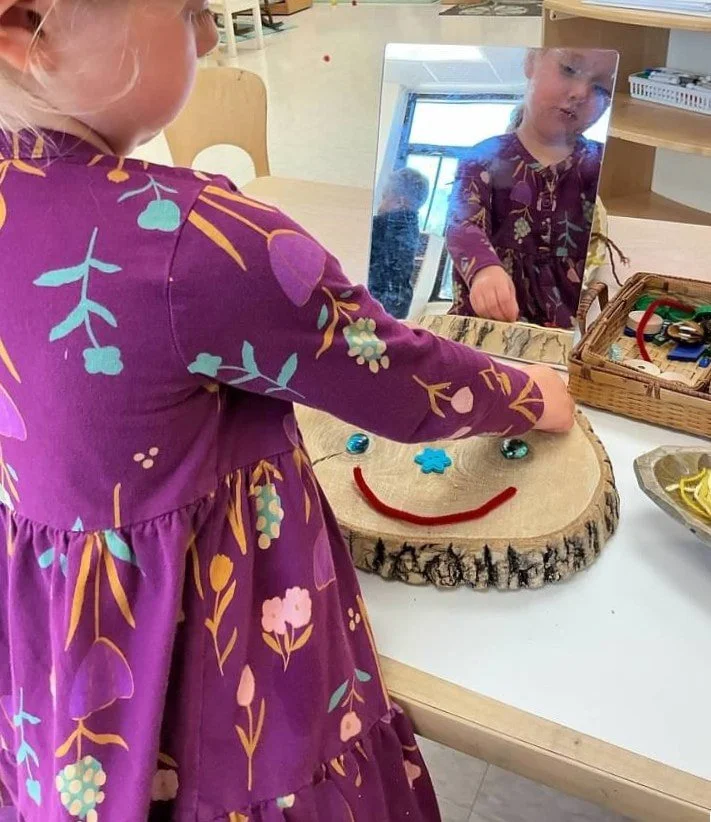
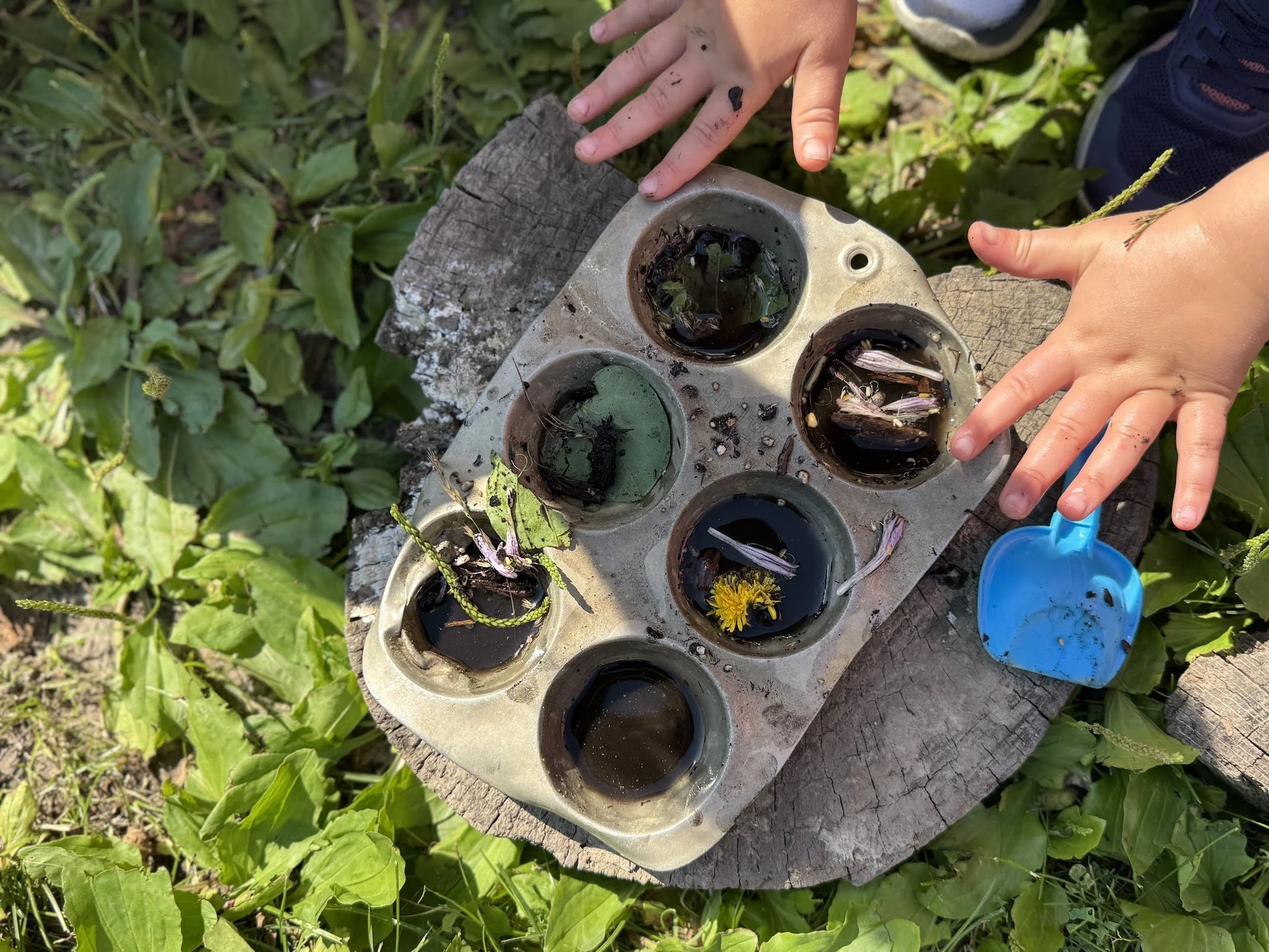
The learning environment plays an important role in children’s experiences. Thoughtfully designed spaces invite exploration, creativity, conversation, and collaboration. Materials are accessible and classrooms are designed to reflect and support children’s interests and ideas.
The Atelier: A Place for Creative Thinking
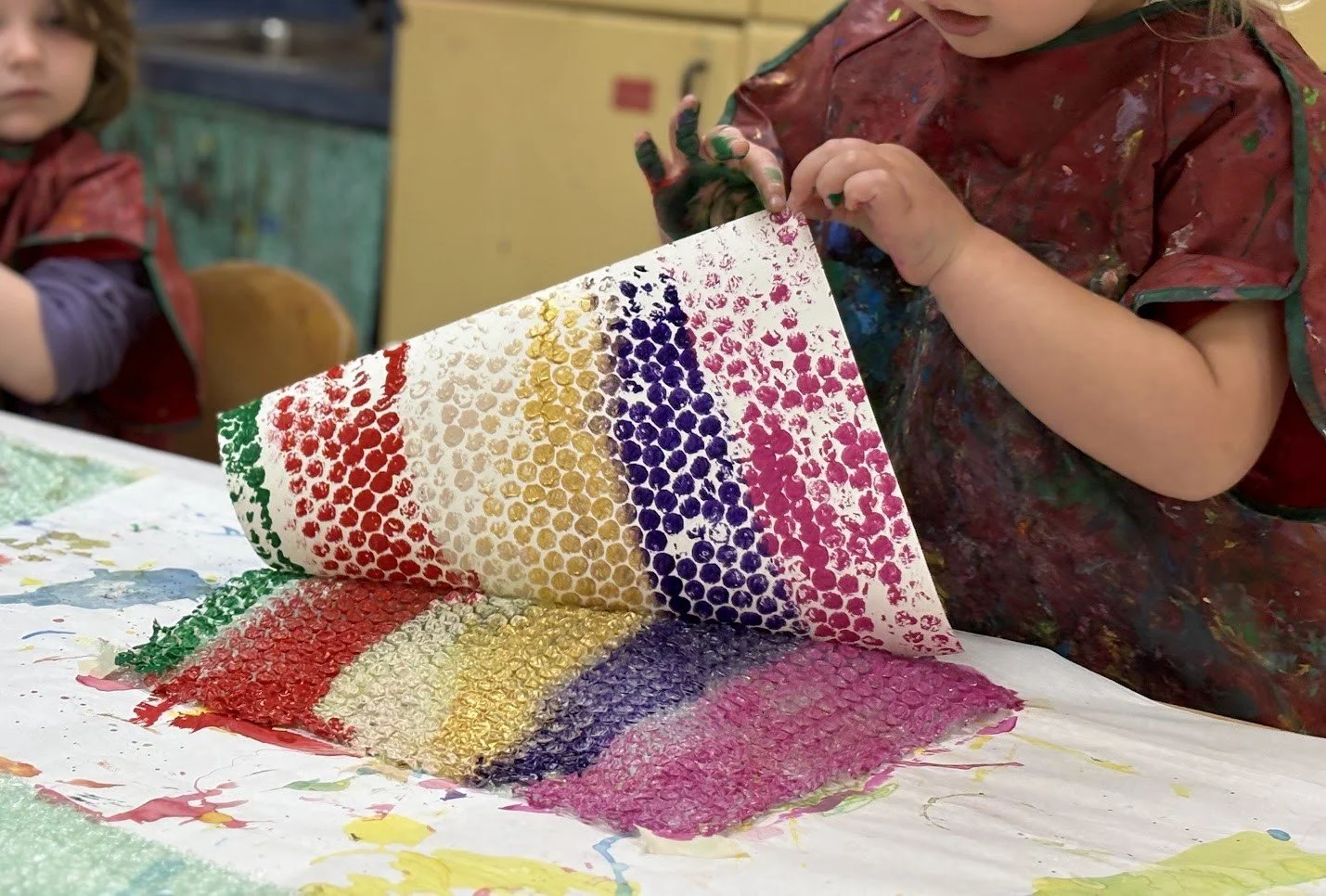
Our art studio, or atelier, provides children with opportunities to explore a wide variety of materials and creative processes. Art is not simply an activity—it is a way for children to think, communicate, experiment, and represent their ideas. Our art and classroom teachers work together to support these experiences.
Emergent Curriculum & Project Work
Rather than following a rigid, predetermined curriculum, our teachers pay close attention to children’s questions, interests, discoveries, and theories. These observations help shape what happens next.
Sometimes a question, a surprising discovery, or a shared interest grows into a project—a hands-on, in-depth investigation that may unfold over weeks or even months. Children have opportunities to revisit ideas, ask new questions, test theories, and deepen their understanding.
Making Learning Visible
Teachers document children’s learning through photographs, conversations, observations, artwork, and other work samples. Documentation captures children’s ideas, questions, theories, and thought processes. It helps teachers reflect on learning, plan what comes next, and share children’s experiences with families and the larger community.
The Hundred Languages
Reggio Emilia recognizes that children have many ways—or “languages”—through which they express their ideas and understand the world. Drawing, painting, building, singing, dancing, storytelling, sculpting, dramatic play, movement, and countless other forms of expression give children ways to communicate and represent their thinking.
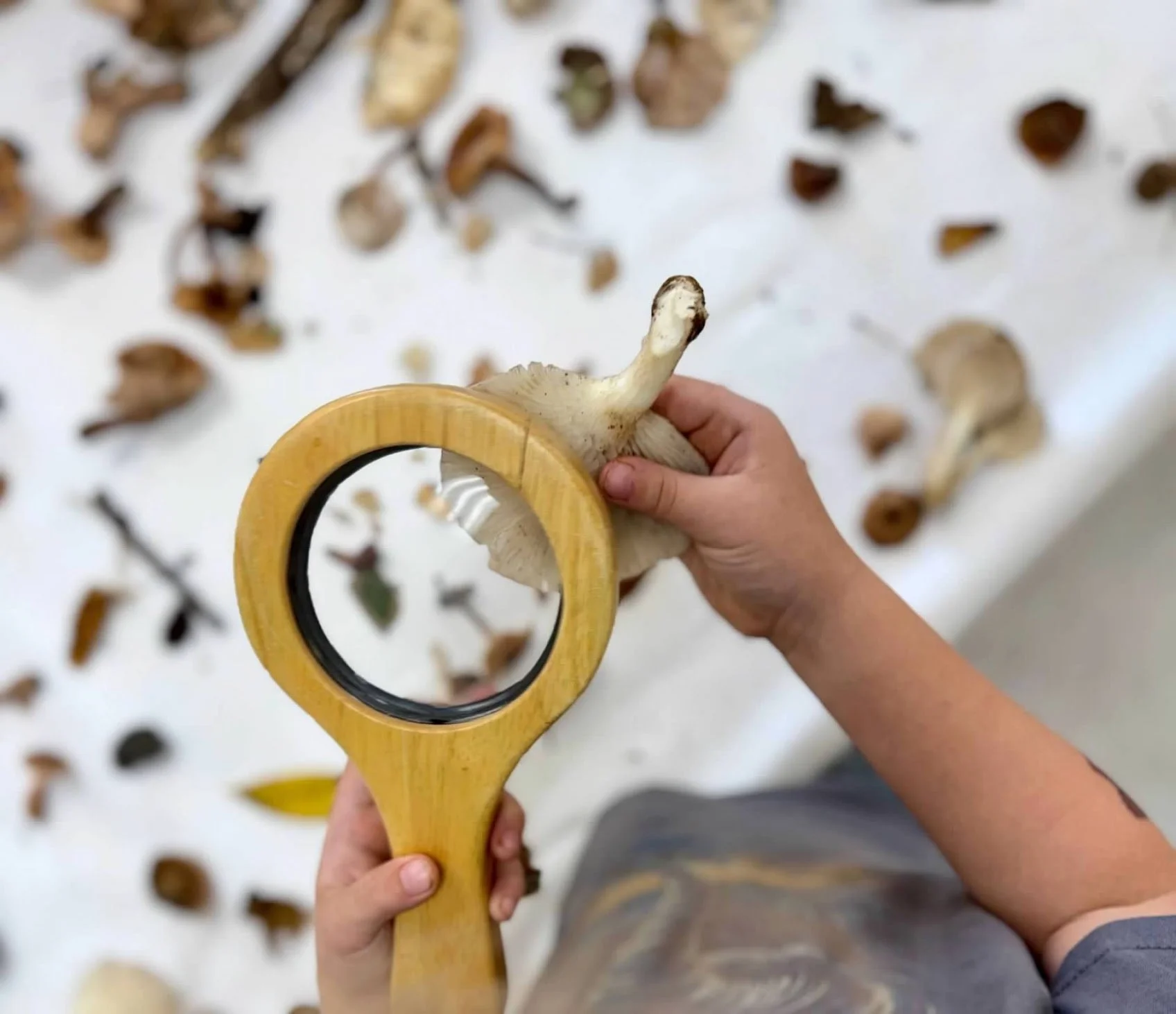
One only needs to step into Preucil Preschool to see the influence of the Reggio schools. We nurture these principles every day in our classrooms, art studio, and music rooms. As teachers, we continue on our own learning journey and together with children we speak one hundred languages, maybe more.