
Young Brains on Art
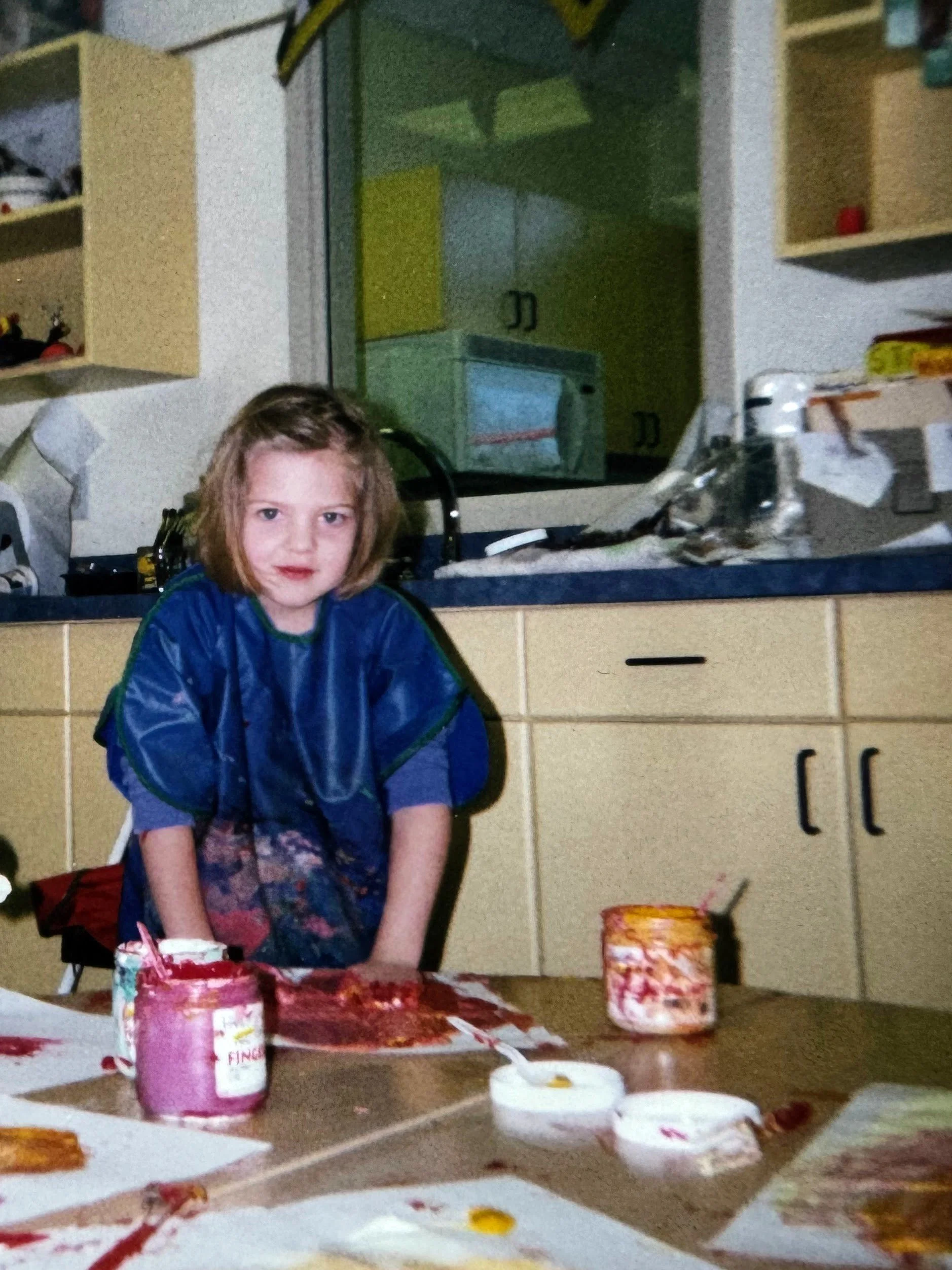
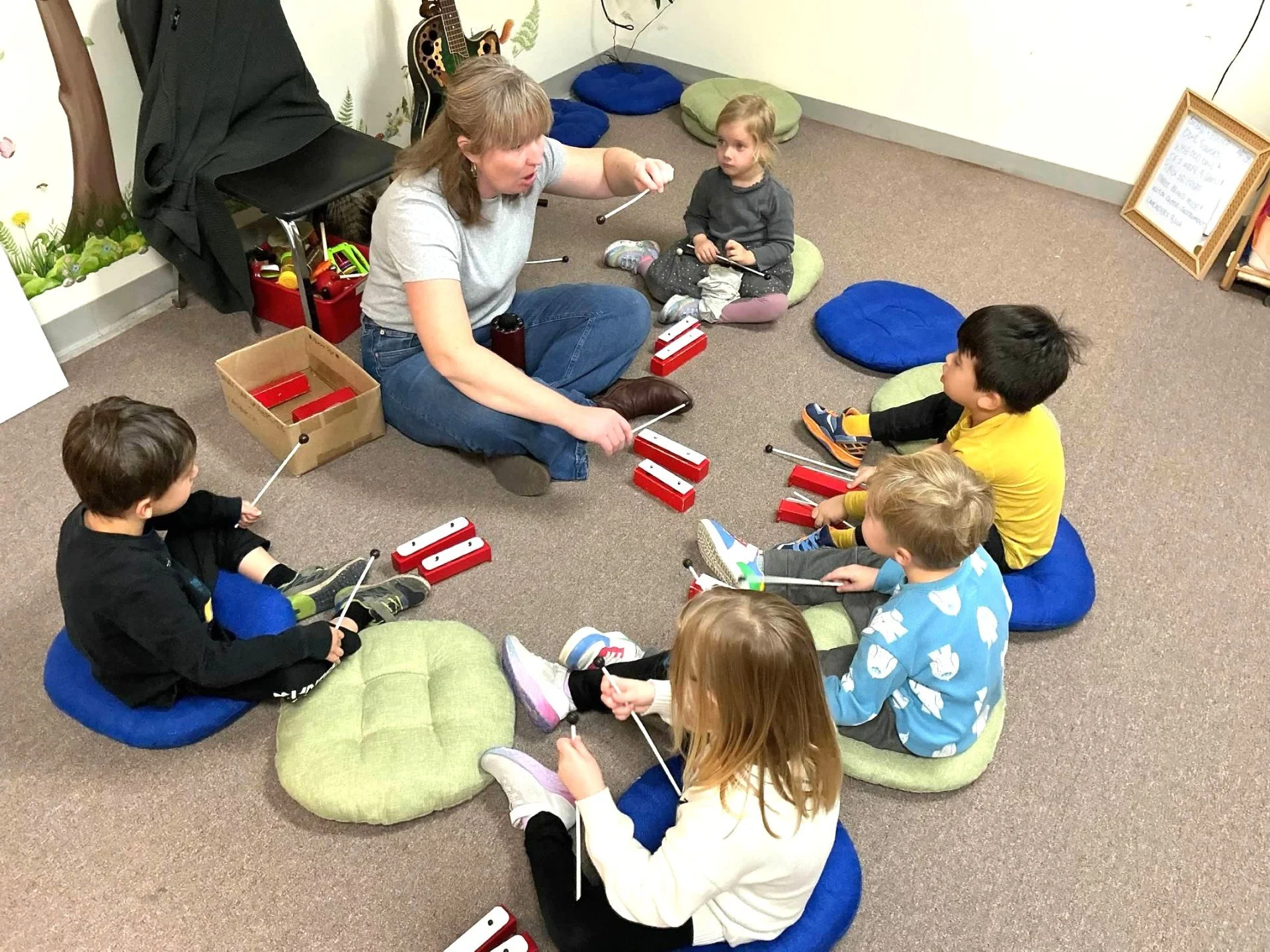
My daughter attended Preucil Preschool back in 2002, the year that North Campus and the newly located preschool opened its doors. She spent hours in the Art Studio painting, sculpting, drawing, and creating with anything she could get her hands on. She went to daily music class where she sang, moved to the beat, and clapped out rhythms. Now, nearly 25 years later, she has her Masters degree in Environmental Data Science and is working as a Data Specialist at an environmental conservation organization. While her workday is spent with numbers, codes, and maps, she still spends hours in studios-a pottery studio and at-home art studio.
Not long ago, I received a text from her that said, “Going to Preucil may have gotten me to where I am today.” She was reading a book, Your Brain on Art: How the Arts Transform Us by Susan Magsamen and Ivy Ross. The authors propose that engaging with art changes your brain, reduces stress, improves health, and helps you connect with others. They argue that art isn’t optional; it’s an essential part of being human. It is based on research including the author’s own research at the International Arts + Mind Lab at Johns Hopkins University. Of special interest is a study that showed children who had an integrated art program at school showed higher executive functioning skills than children who did not have the art program.
Pictured, Elke Windschitl, age 5, Preucil Preschool Art Studio, 2002
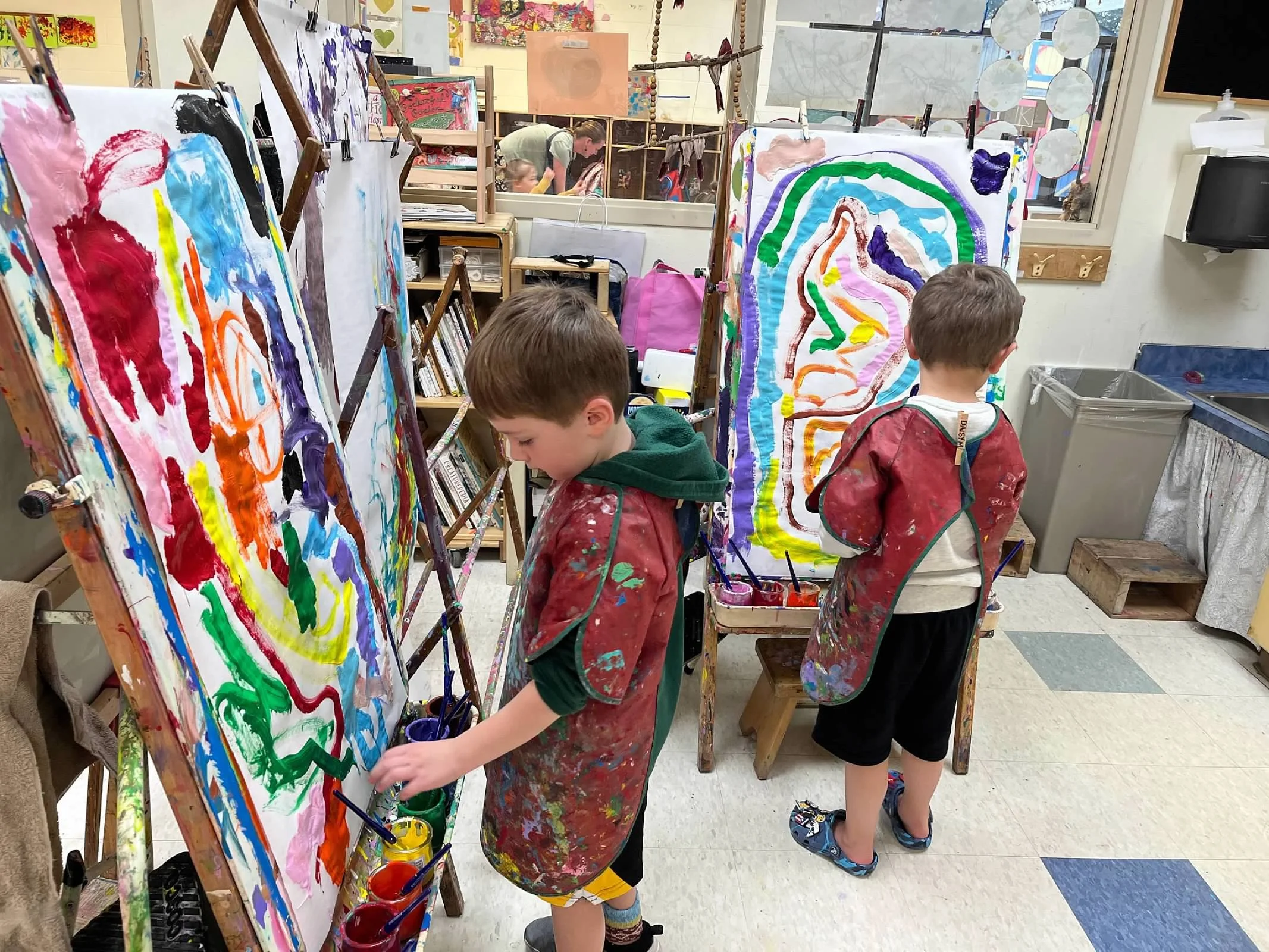
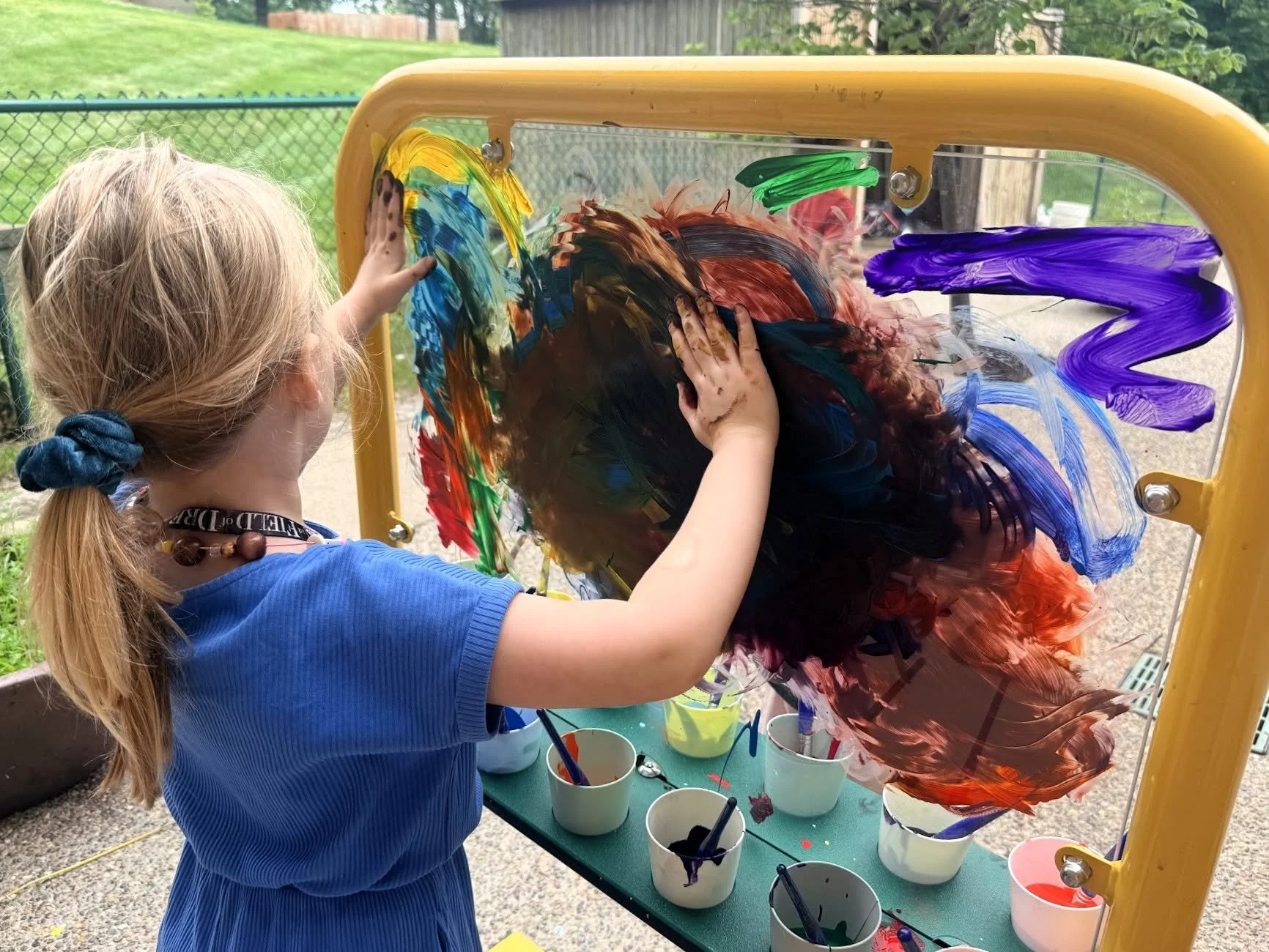
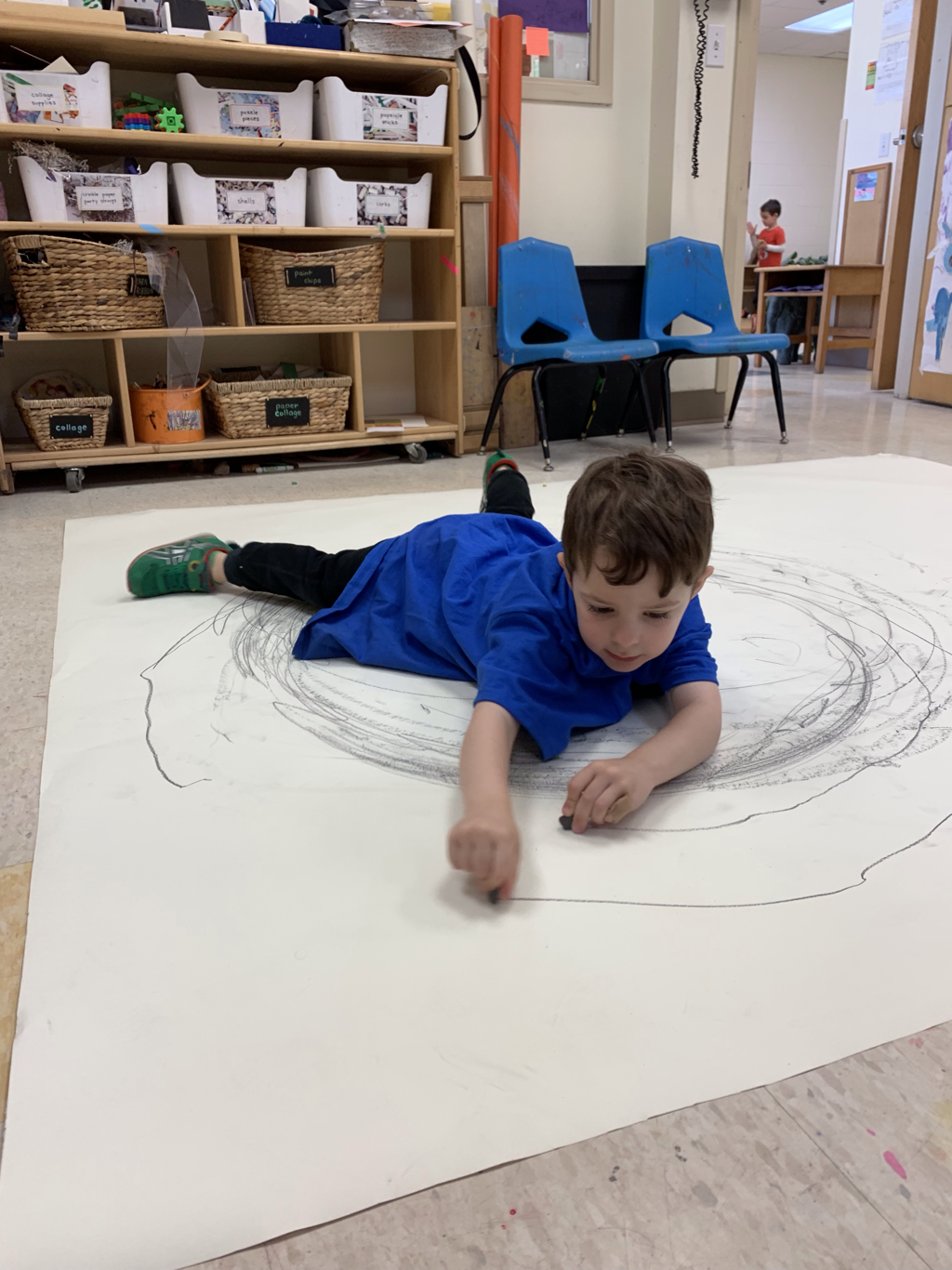
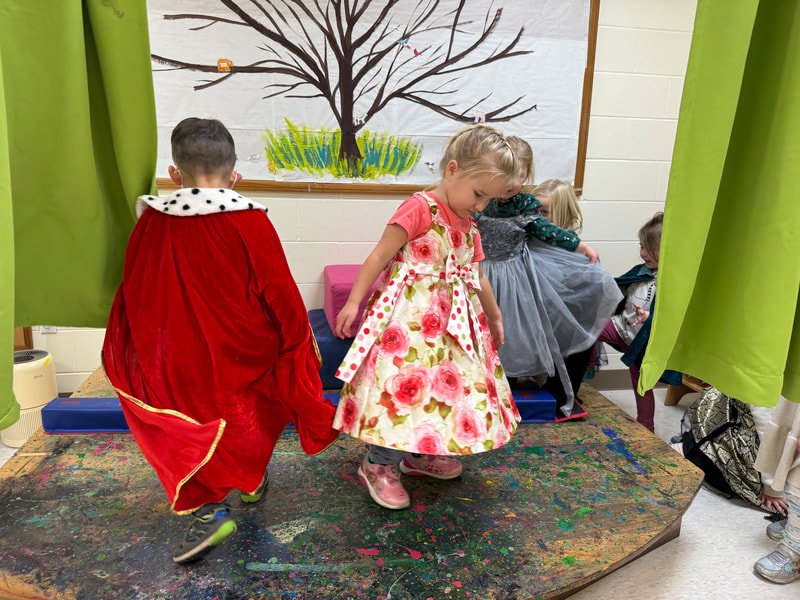
Data show the many benefits of art and music education for young children from strengthening memory, improving language and math skills, and later academic success to building empathy, perseverance, and self-confidence. Those results are no surprise to us here at Preucil Preschool where art and music are woven into our days. If you walk into our preschool on any given day, you might see a child elbow-deep in paint, another building something elaborate out of cardboard, a group acting out a story, or music drifting in from down the hall. It can look a little messy, noisy, and maybe even a little joyfully chaotic. But something magical is happening, young brains are developing here.
I’ve been thinking a lot about this idea lately—your brain on art. Not art as a special class or a once-a-week activity, but art as something children live inside of. And what we know, from both experience and research, is that when young children are surrounded by and engage with art and music their brains light up in ways that traditional learning alone can’t replicate.
When a child mixes colors at the easel, they’re not only making art. They’re experimenting, predicting, adjusting. That’s early science. When they tell a story or act one out, they’re organizing thoughts, building language, and beginning to understand other people’s perspectives. When they move to music, they’re wiring connections between the brain and body that support coordination, focus, and even reading later on. And maybe most importantly, art gives children a way to self-regulate and express what they don’t yet have words for.
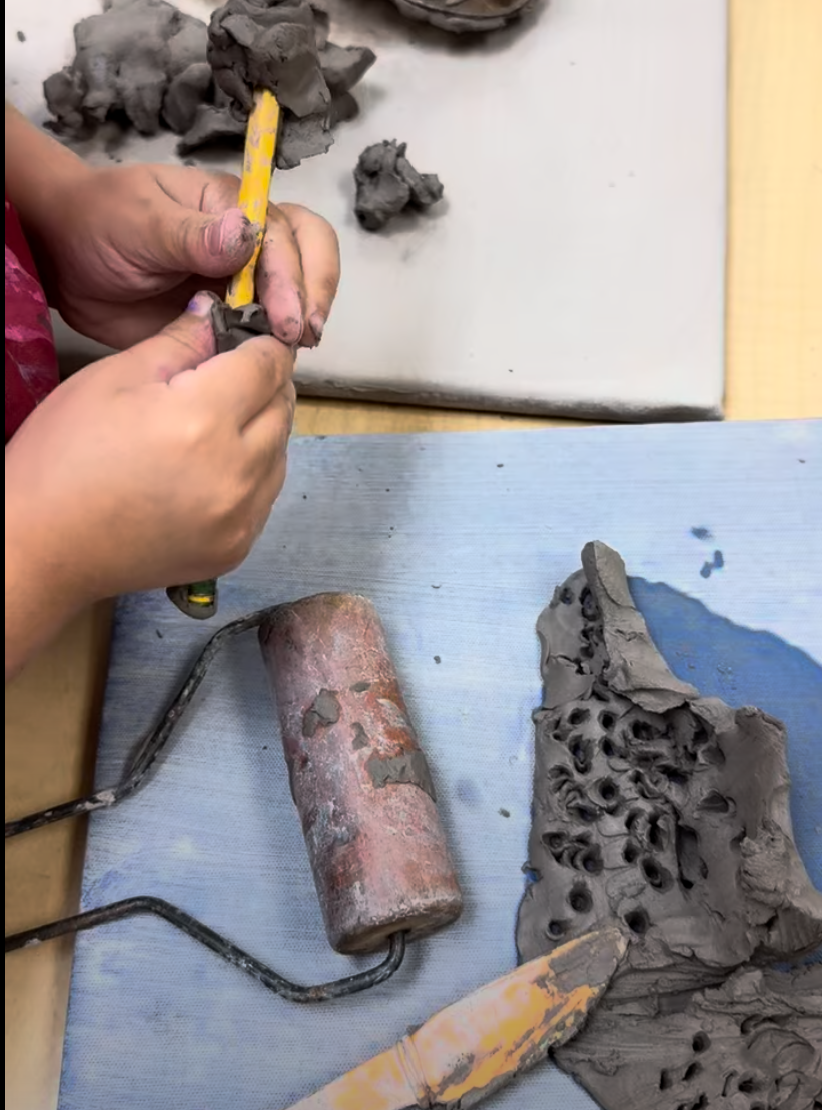
This is why, in our preschool, art isn’t something we “fit in.” It’s not saved for a specific time of day or week.. It’s woven into everything. Painting, music, storytelling, building, sculpting, dramatic play—they are all part of the daily rhythm because they are all part of how children learn best.
This year, we’re leaning into that idea—young brains on art—and celebrating all the ways art shapes who our children are becoming.
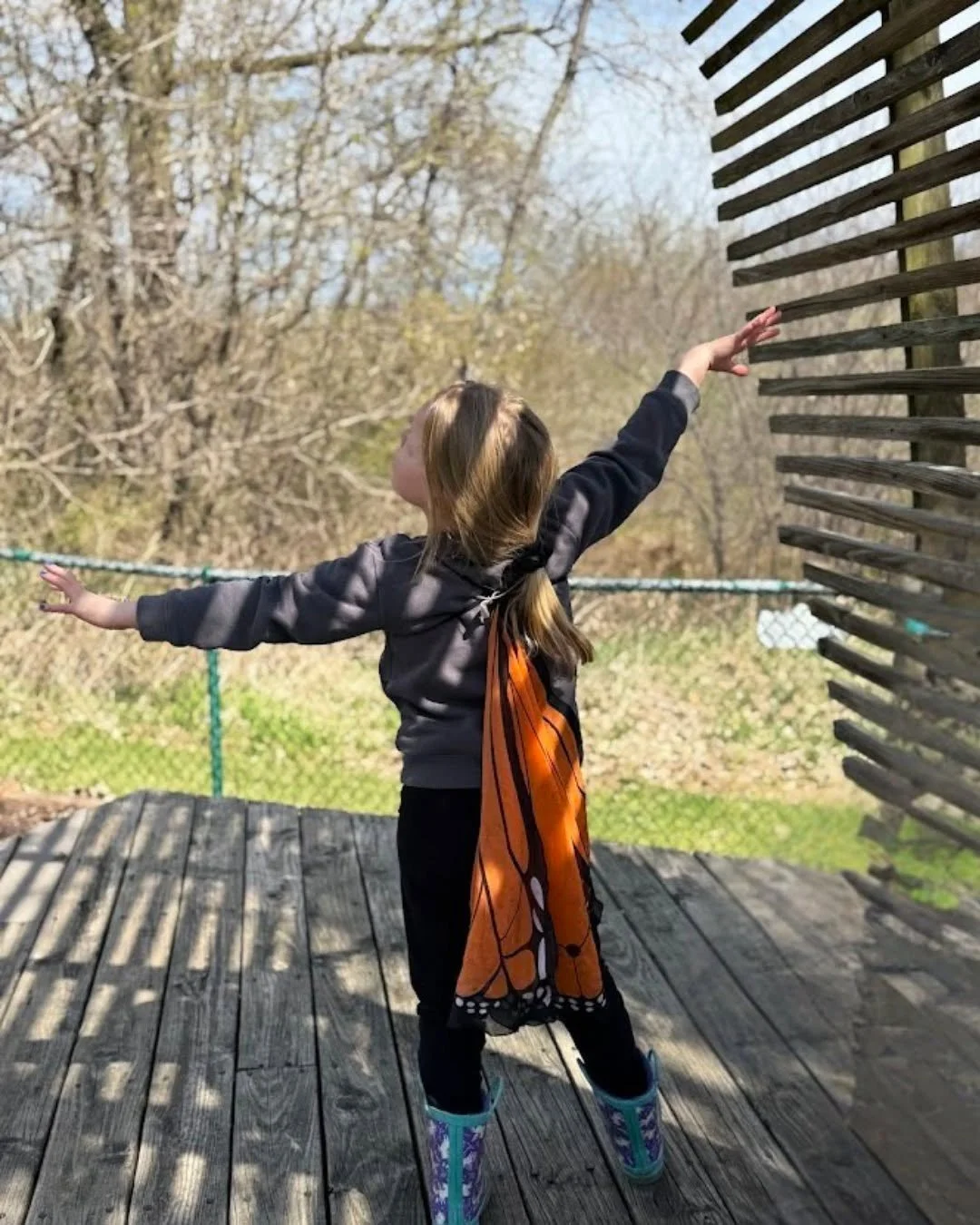
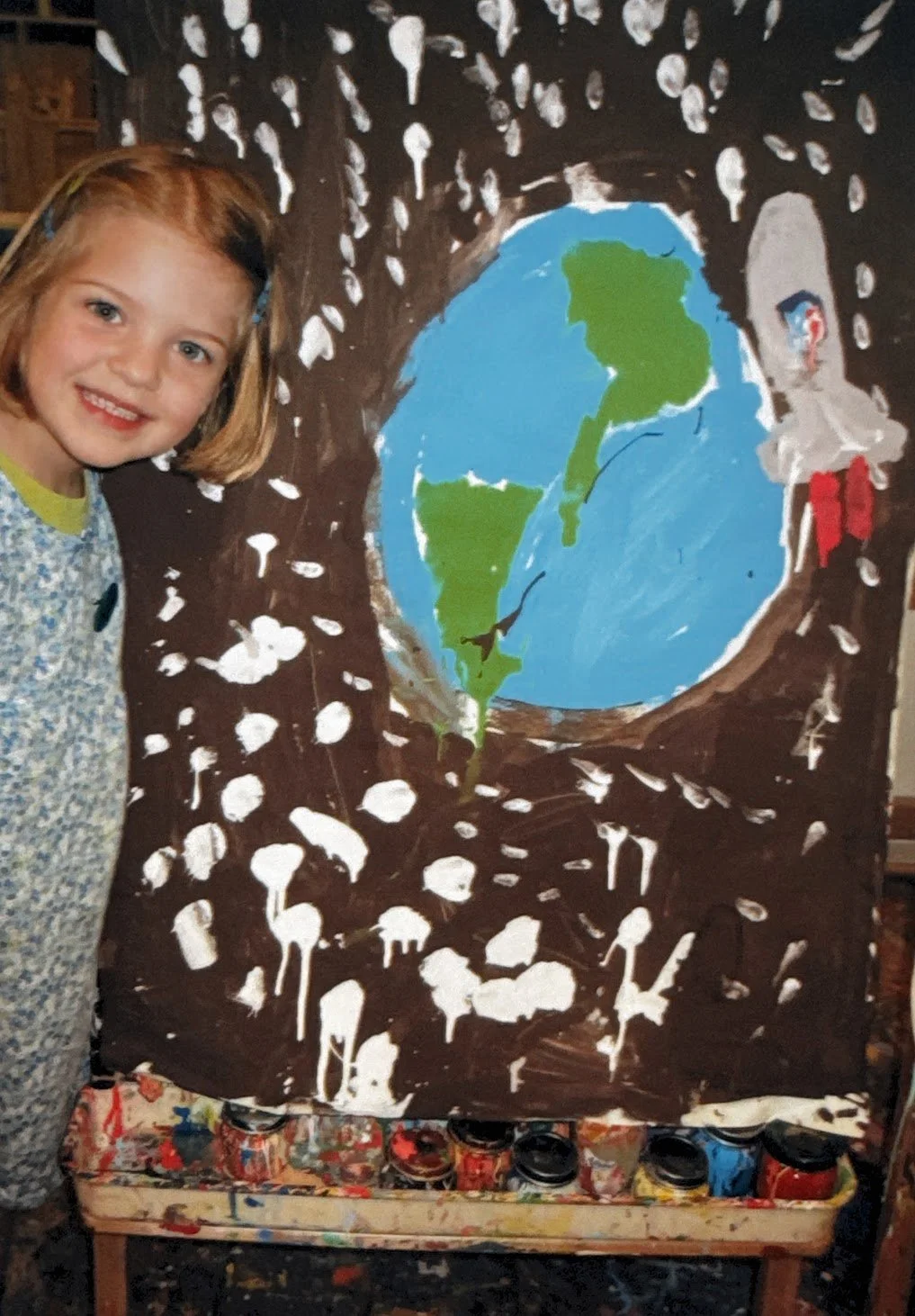
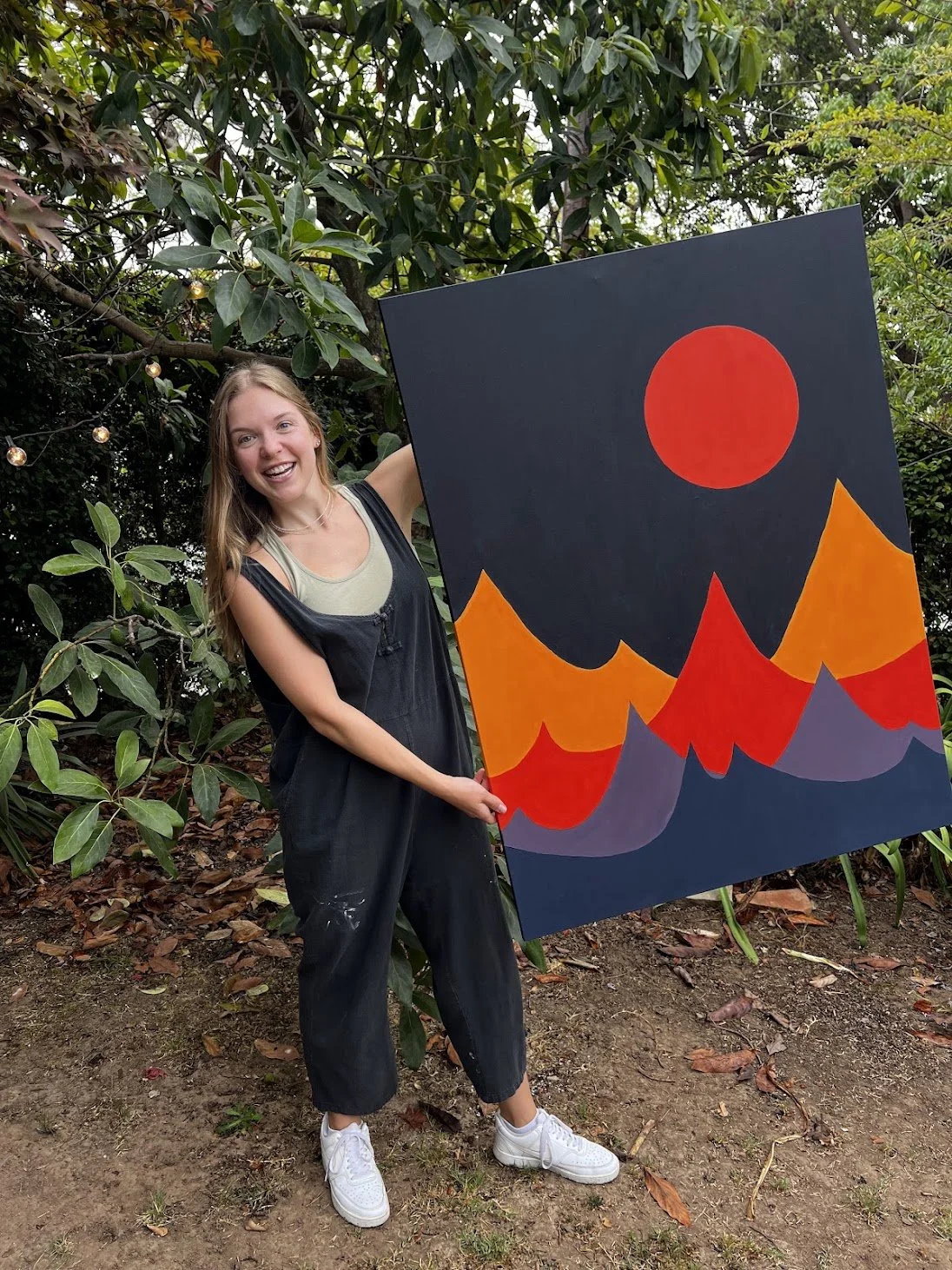
Pictured above, Elke Windschitl then and now